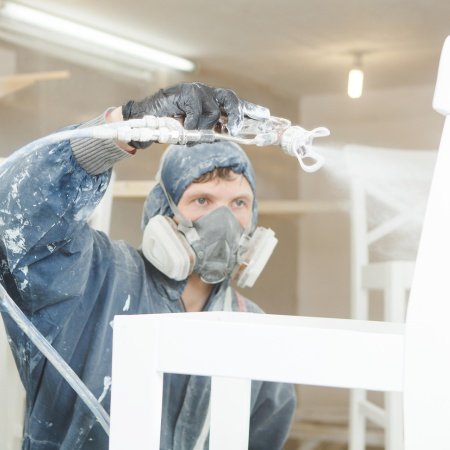
Spray painting metal surfaces like garden furniture, garage doors, railings, and window frames can give them a fresh, durable finish. But skip one critical step and you could be left with peeling paint, visible rust, and a finish that barely lasts a few weeks.
So do you really need to sand metal before spray painting? The short answer is yes, almost always. Sanding creates the surface texture (or "tooth") that spray paint needs to grip properly. Without it, even the best paint will struggle to bond to smooth or corroded metal.
In this guide, we cover exactly why sanding matters, which grit sandpaper to use for different metal surfaces, how to sand step by step, and the few situations where you might be able to skip it. Whether you are tackling a DIY project at home or preparing metal for a professional respray, this is everything you need to know. If you are also setting up your spray painting equipment, our guide on what size air compressor you need for spray painting is worth reading alongside this one.
Metal surfaces are naturally smooth, and many come coated with oils, mill scale, or old finishes. Spray paint cannot grip a slick surface properly. Sanding creates tiny grooves and scratches across the metal, giving the paint a rough texture to bond with. This is what professionals call creating a "mechanical key" or "tooth" on the surface. Without it, paint is far more likely to chip, peel, or flake off within weeks.
Remove Rust, Old Paint, and Surface Flaws
Even small rust spots or patches of flaking old paint can cause serious problems under a fresh coat. Rust continues to spread beneath new paint, eventually bubbling up and ruining the finish. Sanding strips away corrosion, loose coatings, and surface imperfections so your new paint goes onto clean, sound metal. For heavily rusted surfaces, you may need a wire brush or coarse sandpaper before moving to finer grits.
A Smoother, More Professional Finish
Without proper sanding, spray paint can look uneven and highlight every scratch, dent, and imperfection in the metal. A well-sanded surface gives you a uniform base that allows spray paint to lay down in smooth, even coats. The result is a finish that looks like it was done by a professional. This is one of the reasons spray painting has clear advantages over brush painting for metal surfaces.
What Grit Sandpaper Should You Use on Metal Before Painting?
Choosing the right sandpaper grit is one of the most common questions when prepping metal for spray painting. The answer depends on the condition of the metal surface you are working with.
Sandpaper Grit Guide for Metal
Heavy rust or thick old paint: Start with 80 grit coarse sandpaper to strip away corrosion and flaking coatings quickly. Follow up with 120 grit to smooth out the scratches left behind.
Light surface rust or minor imperfections: Use 120 to 150 grit to clean up the surface and create a good key for primer.
Bare, smooth metal with no rust: Use 150 to 220 grit to lightly scuff the surface. You are not trying to remove material, just roughen it enough for the paint to grip.
Previously painted metal in good condition: Use 180 to 220 grit to lightly sand the existing paint, smooth any rough edges, and improve adhesion for the new coat.
Between coats of primer or paint: Use 220 to 320 grit very lightly to smooth each layer before applying the next.
As a general rule, start with the coarsest grit you need for the condition of the metal, then work your way up to a finer grit for the final pass before priming. For most DIY metal spray painting projects around the home, 120 to 220 grit sandpaper will cover the majority of situations.
Can You Spray Paint Metal Without Sanding?
Sanding is almost always necessary for a durable finish, but there are a few exceptions where you might be able to skip it or reduce the amount of sanding needed.
Self-Etching Primers
Some specialist primers are labelled "self-etching" and are designed to chemically bond to bare metal without needing a sanded surface. These work well on clean, grease-free metals like aluminium, galvanised steel, and other non-ferrous surfaces. Always check the product instructions, as most self-etching primers still require the surface to be thoroughly cleaned and degreased even if sanding is not needed.
Already Rough or Textured Surfaces
If the metal surface is already heavily textured, pitted, or has been previously sanded, you may not need to sand again. A thorough clean with a degreaser and a wipe down with a tack cloth may be enough. However, if there is any loose paint, rust, or flaking, you will still need to sand those areas back.
Direct-to-Metal (DTM) Paints
Some paints are marketed as "direct to metal" and claim to work without sanding or priming. While these can be convenient for quick touch-ups, the finish is rarely as durable as a properly sanded and primed surface. For anything that will see regular use or weather exposure, sanding and priming is still the best approach.
How to Sand Metal for Spray Painting: Step by Step
What You Will Need
Sandpaper in a range of grits (80, 120, 180, and 220)
A sanding block or sanding sponge
Wire brush or steel wool for heavy rust
Degreaser or white spirit
Clean cloths and a tack cloth
Safety gear: dust mask, safety goggles, and gloves
Step 1: Clean the Surface
Before you touch sandpaper, wipe the entire metal surface with a degreaser or white spirit to remove dirt, grease, and oils. Any contamination left on the surface will get ground in during sanding and can cause adhesion problems later. Rinse with clean water and allow to dry completely.
Step 2: Remove Heavy Rust or Flaking Paint
If there is visible rust or loose, flaking paint, start by scrubbing these areas with a wire brush or coarse steel wool. For stubborn rust, use 80 to 100 grit sandpaper. Work until you reach sound metal or stable paint underneath. Do not leave any loose material on the surface.
Step 3: Sand the Entire Surface
Once the worst areas are dealt with, sand the entire surface with a medium grit sandpaper. For bare metal, 120 to 150 grit works well. For painted metal in good condition, 180 to 220 grit is sufficient. Sand in even, consistent strokes, working in one direction rather than random circles. The goal is a uniformly dull, slightly rough surface with no shiny spots remaining. If you are working indoors, our guide on how to prep a room for spray painting covers how to set up your workspace properly.
Step 4: Wipe Down and Remove All Dust
After sanding, wipe the surface with a damp cloth to remove sanding dust, then follow up with a tack cloth to pick up any remaining fine particles. Any dust left on the surface will show through the paint and ruin the finish.
Step 5: Apply Primer
Apply a metal primer as soon as possible after sanding. Bare metal can begin to oxidise within hours, especially in damp conditions. Use a primer suited to the type of metal you are working with. For ferrous metals like steel and iron, a rust-inhibiting primer is essential. For non-ferrous metals like aluminium, a self-etching primer gives the best adhesion.
Step 6: Spray Paint in Thin, Even Coats
Once the primer is dry, apply your spray paint in thin, even coats. Hold the can at the recommended distance (usually 20 to 30cm) and use a smooth, sweeping motion. Apply two to three light coats, allowing each coat to dry before applying the next. Thin coats dry faster, resist drips, and produce a much more durable finish than one thick coat. For larger metal surfaces like gates or garage doors, using an airless sprayer can save significant time and give a more even coverage.
How Long After Sanding Can You Paint Metal?
Ideally, you should apply primer within one to two hours of finishing sanding. Once sanding exposes bare metal, the surface becomes vulnerable to moisture and oxidation. If you leave sanded metal overnight or longer, a thin layer of surface rust can form, and you may need to lightly sand again before priming. In humid conditions, this can happen even faster.
If you cannot prime immediately, store the sanded metal in a dry, covered area and wipe it down with a clean cloth before priming.
Do You Need to Prime Metal Before Spray Painting?
Yes, in almost all cases. Primer serves several important functions when spray painting metal. It improves paint adhesion, provides an extra barrier against rust and corrosion, and creates a uniform base colour that helps your topcoat look consistent and vibrant.
For ferrous metals such as steel, wrought iron, and cast iron, a rust-inhibiting primer is strongly recommended. These metals are prone to corrosion, and primer is your first line of defence. For non-ferrous metals like aluminium, brass, and copper, a self-etching primer is the best choice, as it chemically bonds to the metal surface.
Some all-in-one spray paints include primer in the formula, which can save time on smaller projects. However, for anything that will be exposed to weather, regular handling, or heavy use, a separate primer coat will always give you a more durable and longer-lasting result. If your metal items will be outdoors, it is also worth considering whether your chosen paint is UV resistant to prevent fading over time.
Can You Spray Paint Over Existing Paint on Metal?
Yes, but only if the existing paint is in good condition. If the old paint is firmly bonded to the metal with no peeling, flaking, or bubbling, you can spray paint over it after lightly sanding with 180 to 220 grit sandpaper and cleaning the surface. This scuffs the old paint enough to give the new coat something to grip.
If the existing paint is peeling, cracking, or showing signs of rust underneath, you will need to strip it back further. Use a wire brush or coarse sandpaper to remove all loose and failing paint, then treat any rust before priming and repainting. Painting over failing paint will only trap the problem underneath and your new finish will start peeling within weeks.
What Happens If You Don't Sand Metal Before Spray Painting?
Skipping the sanding step is one of the most common reasons DIY spray painting projects fail. Here is what typically goes wrong.
Paint peeling and flaking: Without a keyed surface, spray paint cannot bond properly. You may notice peeling within days, especially on smooth metals.
Rust spreading under the paint: If you paint over even small rust spots without sanding them away first, the corrosion continues to spread beneath the new paint. Eventually it bubbles up and breaks through.
Uneven, patchy finish: Old scratches, dents, and imperfections show through clearly when the surface has not been sanded smooth.
Poor coverage: Paint may not spread evenly across a surface that has not been properly prepared, leading to thin spots and visible brush marks or spray lines.
Taking 15 to 20 minutes to sand the surface properly can be the difference between a finish that lasts years and one that starts failing within weeks.
Tips for Getting the Best Spray Paint Finish on Metal
Always work in a well-ventilated area, ideally outdoors on a dry, still day. Wind can carry dust and debris onto wet paint.
Do not spray paint in direct sunlight. The heat causes the paint to dry too fast, which can lead to cracking, bubbling, and an uneven texture.
Shake the spray can thoroughly for at least two minutes before use, and shake it again every minute or so during painting.
Keep the can moving at all times. Stopping in one spot causes drips and runs.
Lightly sand between coats with 220 to 320 grit for the smoothest possible finish.
Allow the final coat to cure fully before handling. This usually takes 24 to 48 hours, even if it feels dry to the touch much sooner.
How to Prepare Metal for Spray Painting: Quick Checklist
Clean the surface with degreaser to remove grease, oil, and dirt.
Remove rust with a wire brush or coarse sandpaper (80 to 100 grit).
Sand the entire surface with an appropriate grit (120 to 220 depending on condition).
Wipe down with a damp cloth, then use a tack cloth to remove all dust.
Apply metal primer and allow to dry fully.
Spray paint in thin, even coats with proper drying time between each.
FAQs
Yes, steel wool works well for light sanding and rust removal. Use coarse grades (#0 or #1) for stripping rust and finer grades (#0000) for a light scuff before priming. Steel wool is especially useful on curved surfaces and intricate shapes where flat sandpaper is difficult to use.
Start with 80 to 100 grit to remove the rust itself, then follow up with 120 to 150 grit to smooth the surface and prepare it for primer. For very heavy rust, a wire brush or wire wheel attachment on a drill can speed up the initial removal before you switch to sandpaper.
It is not always necessary between topcoats if you are recoating within the manufacturer's recommended window (usually within an hour). However, lightly sanding with 220 to 320 grit between coats of primer and before the final topcoat will give you a noticeably smoother, more professional finish.
For any automotive spray painting, sanding is essential. Car paint needs to bond to a properly prepared surface to withstand weather, UV exposure, road debris, and regular washing. Skipping sanding on a car will almost certainly result in paint failure. If you are doing automotive work, use the correct progression of grits and always apply a suitable automotive primer.
The key steps are thorough cleaning, proper sanding to create a mechanical key, and using a suitable metal primer. Make sure the surface is completely dry and free from dust before applying primer. Spray in thin coats and allow adequate drying time between each coat. Following these steps gives spray paint the best possible chance of bonding permanently.
For general DIY projects, look for spray paints specifically formulated for metal surfaces. Rust-inhibiting formulas are a good choice for outdoor metalwork. For the most durable results on items like gates, railings, and garden furniture, use a dedicated metal primer followed by a quality metal topcoat spray paint. Always check the label to ensure the paint is suitable for the type of metal you are working with.
Lightly sanding primer with 220 to 320 grit before applying your topcoat is good practice. It smooths out any minor imperfections or texture in the primer layer, giving you a better base for the final paint. Be careful not to sand through the primer to bare metal. A light scuff is all that is needed.
Metallic spray paints are more unforgiving of surface imperfections because the metallic particles highlight any unevenness. Prepare the surface the same way as for any spray paint: clean, sand, remove dust, and prime. Pay extra attention to getting the surface as smooth as possible during sanding, and apply the metallic paint in very thin, even coats to avoid a blotchy finish.
Beyond Metal: Other Surfaces You Can Spray Paint
The same principles of proper surface preparation apply to other materials too. If you are refreshing the exterior of your home, spray painting can transform more than just metal. Many homeowners are surprised to learn that you can paint UPVC windows to give them a completely new look, and the process for spray painting UPVC window frames follows a similar clean-prep-prime-paint workflow.
If you want professional results without the prep work, UPVC Spray Team offers expert spray painting for metal surfaces, garage doors, gates, railings, and more across the UK. Every job includes full surface preparation, high-quality primers, and a durable factory-style finish backed by our 10-year guarantee. Want to know how much UPVC window painting costs? Get a free, no-obligation quote today.
Transform your windows, doors & conservatories with our professional UPVC spray painting service
About Paul
UPVC Spray Painting Expert
Hi, I’m Paul from UPVC Spray Team! With over 11 years of experience in UPVC spray painting, I’ve helped countless homeowners revive their windows, doors, kitchens, and furniture. My goal is simple: to give your home a fresh, like-new look without the cost of replacements.
I use eco-friendly materials and proven techniques to ensure every project is durable, clean, and hassle-free. Whether it’s restoring faded UPVC or updating your garage door, I focus on quality and your satisfaction.
You’ve probably seen my tips on saving money and home care here on the blog—I love sharing practical advice to make your life easier. Trust me and the Spray Team to transform your space efficiently and affordably.
✓ 10-Year Guarantee On All Work
Paul and his team did an amazing job transforming our tired white windows to a modern anthracite grey. The finish is flawless and has completely modernized our home. Highly recommended!
We couldn't believe the transformation! Our conservatory looks brand new and the color perfectly matches our new extension. Paul was professional from start to finish.
If your white UPVC conservatory is starting to look tired, yellowed, or just plain dated, you are not alone. Millions of conservatories were built across the UK between the late 1990s and early 2010s, and the vast majority were finished in standard white UPVC. Twenty years on, many of those conservatories are still structurally sound […]
It is a fair question. If UPVC spraying is essentially cleaning, prepping, and painting a plastic surface, surely you can do it yourself and save a few hundred pounds? The honest answer is: technically, yes, you can spray UPVC yourself. But in practice, the gap between a DIY result and a professional finish is enormous. […]
There is nothing quite like seeing a real before-and-after transformation to understand what UPVC spraying can do for a property. Photos tell the story better than words ever could, and they are usually what convinces homeowners to go ahead with a project. Over the past 11 years, we have sprayed thousands of properties across the […]
If you are looking into UPVC spraying, the first question on your mind is almost certainly: how much is this going to cost? It is a fair question, and one that deserves a straight answer rather than the vague "prices from..." you see on most websites. The truth is that UPVC spraying costs vary depending […]
Choosing the right colour for your UPVC spray painting project is one of the most exciting parts of the process, but it can also feel overwhelming. With over 1,600 RAL colours available and dozens of popular shades to consider, how do you narrow it down? After more than 11 years of spraying UPVC across the […]
If you’re Googling “uPVC window painting cost”, you probably want one simple thing, a clear price you can trust. I get it. Pricing online is often vague, and it’s easy to end up comparing apples to oranges. One company quotes “from £75”, another says “£200 per window”, and suddenly you’re none the wiser. I’m Paul […]
When it comes to refreshing your home’s appearance, UPVC spray painting is one of the most cost-effective and efficient solutions available. Whether you’re looking to update your windows, doors, or even furniture, spray painting offers a durable, long-lasting finish that can transform your space. At UPVC Spray Team, we’ve seen firsthand how this service can breathe new life […]
Spray painting UPVC windows is a fantastic way to refresh your home’s appearance without the cost of replacement. However, the key to a long-lasting, professional finish lies in proper preparation. In this blog, we’ll guide you through the steps to prepare UPVC windows for spray painting, ensuring a smooth and durable result. Why Preparation Matters Preparation […]
When it comes to spray painting, especially for outdoor projects like UPVC windows, doors, or furniture, one of the most important questions is: Is spray paint UV resistant? UV resistance is crucial because it determines how well the paint can withstand sunlight without fading, cracking, or peeling. What Does UV-Resistant Spray Paint Mean? UV-resistant spray paint is […]
Painting UPVC windows inside is possible and can refresh your home’s look. But it requires careful steps to avoid problems. Let’s explore how to do it safely and effectively. Can You Paint UPVC Windows Indoors? Yes! Painting UPVC windows inside is a simple way to update your space. However, proper preparation, good materials, and safety steps are key to […]
Spray painting UPVC windows is a cost-effective way to improve your home’s look. But how long does it last? With proper care, spray-painted UPVC windows can stay fresh for 8–12 years. Let’s break down the factors that affect their lifespan and how to make the results last. What Affects the Lifespan of Spray-Painted UPVC Windows? Tips […]
Spray painting indoors (e.g., furniture, cabinets, or doors) can deliver a flawless finish, but prep is everything. Skip this step, and you’ll risk dust-filled paint, sticky overspray on your floors, or fumes lingering for days. Here’s how to prep a room like a pro, using simple, budget-friendly tips. Why Room Prep Matters Tools You’ll Need Step […]
Choosing between a spray gun and a paint brush can make or break your painting project. Both tools have their place, but understanding their strengths and weaknesses ensures you pick the right one for furniture, kitchens, UPVC, or garage doors. Let’s break it down in plain terms. 5 Advantages of Using a Spray Gun 5 […]
Spray painting metal surfaces like garden furniture, garage doors, railings, and window frames can give them a fresh, durable finish. But skip one critical step and you could be left with peeling paint, visible rust, and a finish that barely lasts a few weeks. So do you really need to sand metal before spray painting? […]
Spray painting can transform old furniture, kitchens, or UPVC windows and doors, giving them a fresh, like-new finish. But to get professional results, you need the right tools—and one of the most important is your air compressor. Choosing the wrong size can lead to uneven finishes, frustrating stops and starts, or even damage your equipment. […]
If your kitchen worktops—or countertops, if you prefer—look scuffed, scratched, or have become dull over the years, you might be considering an upgrade. Maybe you’re after a fresh look or a color change to align with current trends. However, replacing worktops can be expensive, time-consuming, and potentially messy, involving risks to tiles, plumbing, and cabinets. […]
Traditional vs. Modern Techniques While traditional brushes and rollers have their place, spray painting offers unparalleled advantages for exterior house painting. The Benefits of Spray Painting Rapid Completion: Spray painting significantly reduces project timelines, allowing your home to be transformed quickly and efficiently. Seamless Finish: Fine droplets of paint create a smooth, even coating that […]
uPVC windows and doors are a standard feature in most new homes across the UK, basically because they are cost-effectiveness, low maintenance, and impressive durability. When properly cared for, these features can last between 25 to 35 years. However, over time, they begin to show signs of weathering. White uPVC is particularly prone to yellowing […]
Spray painting uPVC has become a popular and cost-effective way to refresh and modernise the appearance of doors, windows, and conservatories. But to achieve a flawless, long-lasting finish, choosing the right spray paint is crucial. Why Choose the Right Paint? uPVC (unplasticised polyvinyl chloride) is a durable but non-porous material. This means that ordinary paint […]
Spray painting your uPVC window frames is an excellent way to give your home a fresh, modern look without the expense and hassle of replacing the windows entirely. At uPVC Spray Team, we specialise in delivering a flawless factory finish that not only enhances the aesthetic appeal of your property but also ensures long-lasting durability. […]
Updating your kitchen cupboards with a fresh coat of paint is an affordable way to transform your kitchen's look without a full renovation. Preparation Checklist Tools and Materials Step-by-Step Painting Process Step 1: Prepare the Area Step 2: Clean Surfaces Step 3: Sand Surfaces Step 4: Apply Primer Step 5: First Paint Coat Step 6: […]
First impressions matter, and the exterior of your house plays a key role in defining your property’s appeal and value. Whether you’re aiming to refresh tired walls or completely transform your home’s look, exterior house painting is a practical and impactful solution. This guide will explore everything from preparation to professional spray painting options, ensuring […]
Painting a UPVC door is a cost-effective way to modernise your home and refresh its look. Whether you have a dated white or wood-effect UPVC door, painting can transform it into a stylish feature without the need to replace it entirely. Here's a comprehensive guide on how to paint a UPVC door, including preparation tips, […]
Airless spraying is a new way to paint things. It uses strong pumps to spray paint very finely, without needing air. This makes it faster and more accurate, giving a smooth finish. Professional Airless Spraying Services Speed and Efficiency Airless spraying is incredibly fast, capable of applying paint up to ten times faster than traditional […]
Spray painting UPVC windows is becoming an increasingly popular choice for homeowners who want to enhance their property’s aesthetics without breaking the bank. This cost-effective and efficient alternative to replacement offers numerous advantages, from improving appearance to extending the life of your windows. In this post, we’ll explore the top five benefits of spray painting […]
When it comes to plastic materials used in construction, windows, doors, and plumbing, you'll often hear about PVC and uPVC. What is PVC? PVC, or Polyvinyl Chloride, is a lightweight and versatile plastic widely used in construction, electronics, and consumer goods. Characteristics: Disadvantages: What is uPVC? uPVC stands for Unplasticised Polyvinyl Chloride. It is essentially […]
uPVC windows are durable, low-maintenance, and cost-effective. However, over time, they can fade, or you might simply want to update their colour. One common question we get asked is, "Can you paint uPVC windows?" The answer is yes, but to ensure a lasting and professional finish, you need to follow the right steps. In this […]
To provide the best experiences, we use technologies like cookies to store and/or access device information. Consenting to these technologies will allow us to process data such as browsing behavior or unique IDs on this site. Not consenting or withdrawing consent, may adversely affect certain features and functions.
Functional
Always active
The technical storage or access is strictly necessary for the legitimate purpose of enabling the use of a specific service explicitly requested by the subscriber or user, or for the sole purpose of carrying out the transmission of a communication over an electronic communications network.
Preferences
The technical storage or access is necessary for the legitimate purpose of storing preferences that are not requested by the subscriber or user.
Statistics
The technical storage or access that is used exclusively for statistical purposes.The technical storage or access that is used exclusively for anonymous statistical purposes. Without a subpoena, voluntary compliance on the part of your Internet Service Provider, or additional records from a third party, information stored or retrieved for this purpose alone cannot usually be used to identify you.
Marketing
The technical storage or access is required to create user profiles to send advertising, or to track the user on a website or across several websites for similar marketing purposes.